Can You Be Sued for a Facebook Post? (Online Libel Laws)
In the age of viral screenshots, a moment of anger on Twitter or Facebook can lead to a multi-year lawsuit. While the First Amendment protects free speech, it does not protect Defamation. If you post a false statement of fact that harms someone’s reputation or business, you can be sued for Libel. The “It was just my opinion” defense is weaker than you think. Here is exactly where the line is drawn between a bad review and an illegal lie.

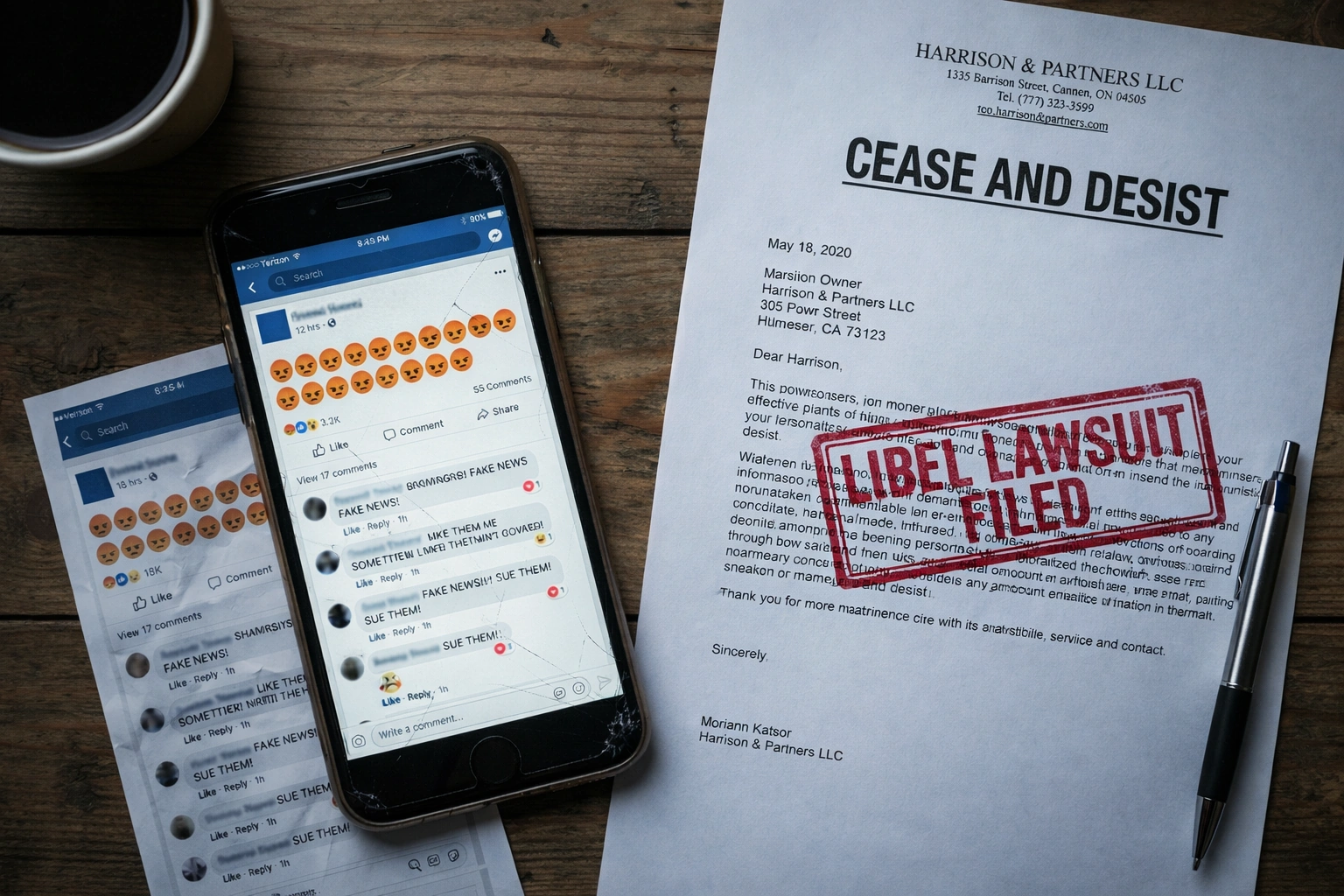
Social Media is Public Record: That angry post isn’t just venting; it’s published libel if false. And the lawsuit is real.
Image Source: bestmoneytip.com
1. The Rule: Fact vs. Opinion
You can say you hate someone. You can’t say they are a criminal (unless they are).
Defamation (Illegal): “The chef puts rat poison in the soup.” (Objective, can be proven false).
The Trap: Adding “In my opinion” before a lie doesn’t save you. “In my opinion, John is a thief” is still defamation if John is not a thief.
2. Safe vs. Dangerous Posts (Checklist)
See how a small change in wording changes your legal liability.
| Scenario | What You Post | Legal Status |
|---|---|---|
| Bad Service | “The waiter was rude and slow.” | Safe. (Opinion/Experience) |
| False Accusation | “The waiter stole my credit card info.” | Libel. (Unless you have proof) |
| Workplace | “My boss is a creep.” | Risky. Vague, but could imply sexual harassment. |
| Review Bombing | Encouraging others to leave 1-star reviews on a place they never visited. | Tortious Interference. (Business harm) |
3. Timeline: The “Cease and Desist” Clock
If you receive a legal threat, the clock starts ticking. How you react in the first 48 hours determines if you get sued.
| Event | Action | Result |
|---|---|---|
| The Post | Viral | |
| The Letter | Warning | |
| The Retraction | Fix It |
4. Strategy: Truth is the Ultimate Defense
They cannot sue you for telling the truth, no matter how much it hurts.
- Burden of Proof: In most cases, the person suing you (Plaintiff) must prove the statement is false.
- Public Figures: If the victim is a celebrity or politician, the bar is higher. They must prove “Actual Malice”—that you knew it was false and posted it anyway.
- Receipts: If you post “This contractor scammed me,” keep the emails, invoices, and photos of the unfinished work. Your evidence is your shield.
5. Warning: Anonymous is Not Anonymous
Hiding behind a fake username won’t save you.
⛔ The “John Doe” Subpoena
Can they find you if you use a burner account? Yes.
- The Process: The lawyer files a lawsuit against “John Doe.”
- The Order: The court subpoenas the platform (Facebook/Twitter) for the IP address and login data connected to the account.
- The Reveal: The platform hands over your IP, leading them straight to your home internet provider and your front door.