Is Pet Insurance Actually Worth It? A Mathematical Breakdown

We all love our pets, but treating them like humans financially can destroy your budget. The pet insurance industry plays on your emotions, asking: “Can you afford to save your best friend?” From a purely mathematical standpoint, however, pet insurance is usually a losing bet. Here is the cold, hard ROI analysis of lifetime premiums versus average veterinary bills.

BMT Financial Analysis Team BMT Financial Analysis Team (Analyst Reviewed) · 📅 Mar 2026 · ⏱️ 6 min read · INSURANCE › PETS
Avg Cost
$60
Per Month (Dog)Cost
Lifetime
~$10k
Total Premium PaidRisk
Alternative
Self-Fund
Sinking Fund StrategyWin
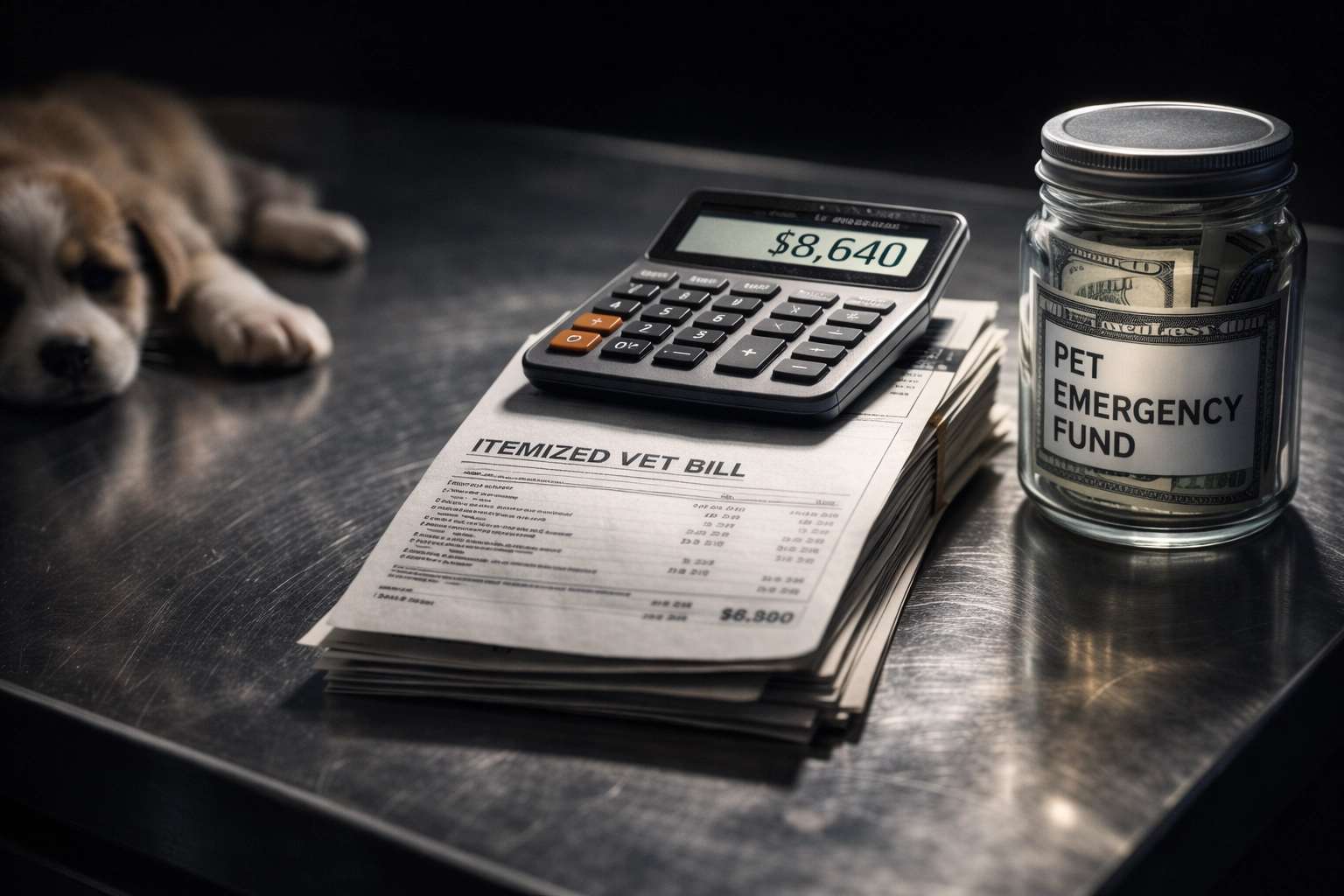
Cinematic macro photograph showing a puppy's paw next to a heavy stack of vet bills, a calculator, and a pet emergency fund jar.

Emotion vs. Math: While our bond with pets is purely emotional (Left), the reality of veterinary costs should be strictly mathematical (Right). Building a dedicated “Pet Emergency Fund” often yields a much better ROI than paying lifelong insurance premiums.

Image Source: bestmoneytip.com

1. The Catch: Exclusions and Co-Insurance

Unlike human health insurance (which cannot deny you for pre-existing conditions), pet insurance operates under ruthless property laws.

  • Pre-existing Conditions: If your dog had an ear infection before you bought the policy, no future ear treatments are covered. Ever.
  • The Reimbursement Model: You must pay the $4,000 vet bill upfront out of your own pocket, and then fight the insurance company to reimburse you 70-90% of it weeks later.
  • Age Penalties: Premiums skyrocket as your pet ages. A $40/month policy at age 2 can easily become $150/month at age 10.

2. The Math: 12 Years of Premiums vs. Vet Bills

Let’s look at the projected cost of insuring a Golden Retriever from puppyhood to age 12, compared to the cost of a major medical event (e.g., torn ACL surgery).

LIFETIME COST PROJECTION (12 YEARS)
Scenario A: Insured
Avg Premium ($60/mo × 12 yrs):
$8,640
Deductible/Co-pay (If surgery):
~$1,000
Total Out of Pocket: ~$9,640
Scenario B: Self-Funded
Save $60/mo in HYSA:
+$10,000 (with interest)
Cost of 1 Major Surgery:
-$4,500
Cash Left Over: +$5,500
Verdict: If you self-fund and your pet stays relatively healthy, you keep the money. With insurance, that money is gone forever.

3. Should YOU Buy It? (The Decision Matrix)

Answer these three questions to find out if you are the exception to the rule.

Q1. Do you have $3,000+ in an Emergency Fund right now?
YES: You can self-fund. Move to Q2.
NO: Buy Insurance. (If a $3,000 vet bill would force you to euthanize your pet due to lack of funds, you need the policy for financial protection).
Q2. Is your pet a breed with known, expensive genetic flaws? (e.g., French Bulldogs, Pugs, Great Danes)
YES: Buy Insurance while they are still a puppy/kitten.
NO: (e.g., Mixed breeds/Mutts). Move to Q3.
Q3. Is your pet older than 6 years?
YES: Skip Insurance. Premiums will be outrageously high and almost everything will be classified as a pre-existing condition.
NO: Self-Fund. Open a High-Yield Savings Account today and automate $50/mo.

4. Frequently Asked Questions

What about “Wellness Plans” (vaccines, checkups)?
Wellness plans are not insurance; they are essentially forced savings accounts managed by the vet or insurance company. You usually pay more in monthly fees than the actual cost of the vaccines. Just pay cash.
I read a review where insurance saved someone $10,000!
That is called Survivorship Bias. For every one person whose pet needed a $10,000 experimental cancer treatment, there are thousands of owners who paid $8,000 in premiums over a decade and never filed a single claim.