Stop Debt Collectors: The “Debt Validation Letter” Strategy
The phone rings. It’s a collector. Your instinct is to argue, cry, or hang up. Stop. Talking on the phone is dangerous because one wrong word can restart the statute of limitations. The FDCPA gives you a powerful legal weapon: The Debt Validation Letter. Sending this letter legally forces them to pause collection efforts until they can prove—with paper evidence—that you actually owe the money.

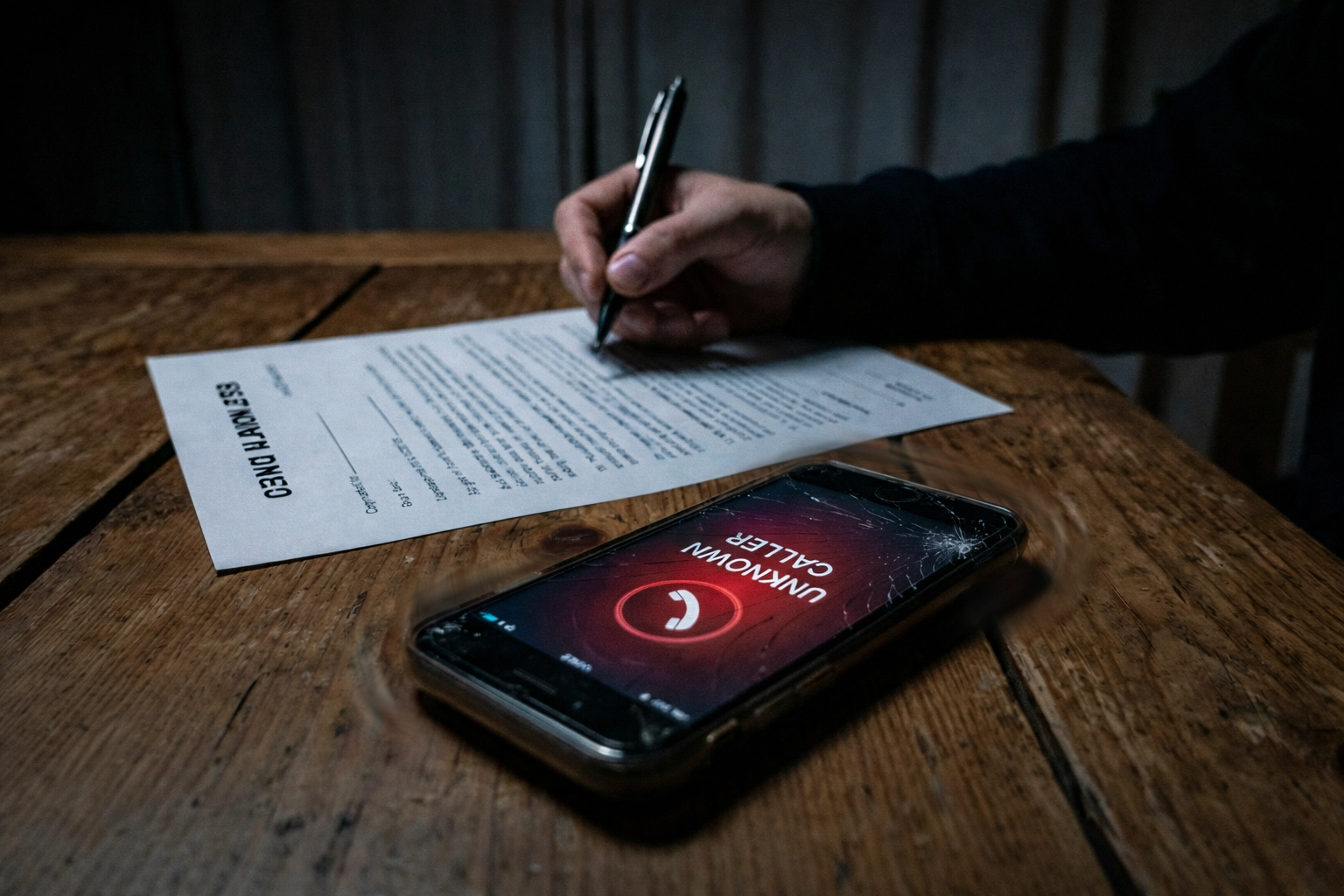
The Pivot Point: The vibrating phone is a trap. The paper letter is your shield. Stop answering and start writing.
Image Source: bestmoneytip.com
1. Why You Must Stay Off the Phone
Collectors are trained to record your calls. Their goal is to get you to say “Yes, I know I owe this” or make a tiny $5 payment.
Action: Say nothing. Ask for mail. Hang up.
2. The Weapon: Debt Validation Letter
Under the FDCPA, you have the right to demand proof.
- Ownership: Do they actually own the debt? (Junk debt buyers often lose the chain of title).
- Amount: Is the balance correct? (Interest/fees are often illegal).
- Identity: Is it actually you? (Or someone with a similar name).
3. The Template (Copy & Paste)
Send this via Certified Mail with Return Receipt so you have proof of delivery. Type your name instead of using a wet signature.
[Your Address]
[Date]
To: [Collection Agency Name]
[Address from their letter]
Subject: Debt Validation Request (FDCPA Dispute)
To Whom It May Concern,
I am writing in response to your contact regarding account number [Account #]. This is not a refusal to pay, but a notice that your claim is disputed.
Under the Fair Debt Collection Practices Act (FDCPA), 15 USC 1692g, I have the right to request validation of this debt. Please provide:
1. Proof that you own this debt or are authorized to collect it.
2. The name and address of the original creditor.
3. A complete payment history showing how the balance was calculated.
Until this information is provided, please cease all collection activities regarding this matter.
Sincerely,
[Your Typed Name]
4. When to Sue THEM (FDCPA Violations)
Collectors often break the law. If they do, document it. You may be entitled to up to $1,000 in statutory damages per lawsuit (plus actual damages and legal fees).
- ❌ Calling before 8 AM or after 9 PM.
- ❌ Calling you at work after you told them not to.
- ❌ Threatening arrest or jail (Debt is civil, not criminal).
- ❌ Discussing your debt with third parties (boss, neighbors).
- ❌ Using profane or abusive language.
5. Frequently Asked Questions
Scenario B: They ignore it and keep calling. They are now violating the FDCPA. Log every call; you have a strong case for a lawsuit.