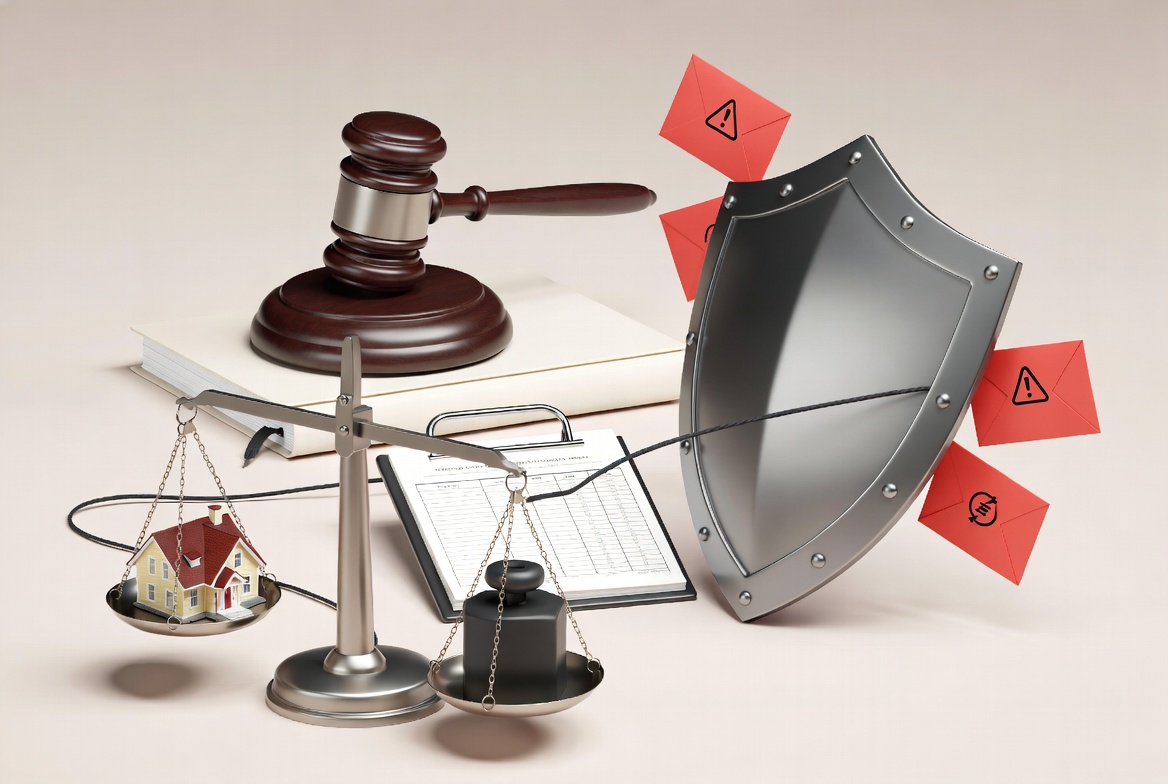
 2026 Debt Strategy
Debt Management Framework:
Restructuring Liabilities & Legal Defenses
This hub organizes practical approaches to managing severe debt, evaluating bankruptcy protocols, and navigating legal creditor defenses.
The guides below cover specific aspects of financial restructuring—from understanding Chapter 7 and Chapter 13 bankruptcy rules to applying wage garnishment exemptions and managing student loan defaults.
Designed for mid-career DIY investors and small business owners, this framework provides a deliberate method for evaluating insolvency options and long-term financial recovery.
This framework follows a three-phase method to organize debt defense: (1) Evaluate insolvency options including debt settlement and bankruptcy classifications, (2) Apply legal protections against creditors using statutes of limitations and the FDCPA, and (3) Structure specific defenses for student loans and wage garnishments. Each section provides references to current legal and federal guidelines to assist in accurate financial planning and recovery.
Check your restructuring signals:
- Evaluating the differences between Chapter 7 and Chapter 13 bankruptcy rules? Yes
- Facing potential wage garnishment or active creditor lawsuits? Yes
- Unsure how the statute of limitations applies to your existing debt? Yes
- Managing the potential tax implications of student loan forgiveness? Yes
Target Outcome
DEBT RESTRUCTURING Evaluate Insolvency + Legal DefenseBankruptcy & Insolvency Protocols
3 GuidesNavigating severe financial distress requires a thorough evaluation of formal restructuring options. Implementing these frameworks directly addresses the risk of asset liquidation under 2026 federal bankruptcy codes. Comparing debt settlement vs bankruptcy establishes a baseline for recovery. For formal filings, understanding the chapter 7 bankruptcy process determines liquidation eligibility, while applying chapter 13 bankruptcy rules allows for structured repayment of secured debts.
Creditor Claims & Legal Protections
3 GuidesResponding to collection efforts necessitates a firm understanding of consumer rights. This phase addresses legal defenses against aggressive collection tactics while maintaining compliance with current state and federal statutes. Verifying the statute of limitations on debt can invalidate outdated creditor lawsuits. Consumers must also utilize the fair debt collection practices act to monitor agency compliance, and in specific hardship cases, evaluating judgement proof status provides a shield for essential living assets.
Student Loans & Income Protection
3 GuidesCertain liabilities, such as federal student loans and court-ordered garnishments, follow distinct legal frameworks. Proactively managing these debts mitigates the risk of sudden income loss and unexpected tax liabilities tied to 2026 forgiveness programs. Understanding student loan default consequences is critical before exploring recovery programs. When resolving these balances, anticipating the tax impact of student loan forgiveness 2026 guidelines prevents secondary tax burdens, and knowing your wage garnishment exemptions ensures baseline income remains protected.
- Draining retirement accounts to pay dischargeable unsecured debt
- Transferring assets to family members prior to a bankruptcy filing
- Ignoring court summons from creditors regarding unpaid balances
- Resetting the statute of limitations by making a partial payment