Legal Brief: PSLF Criteria
Public Service Loan Forgiveness (PSLF) is a statutory entitlement, not a lottery. If you make 120 qualifying monthly payments under an Income-Driven Repayment (IDR) plan while working full-time for a qualifying government or non-profit employer, the Department of Education is legally obligated to forgive your remaining Direct Loan balance, completely tax-free at the federal level.
The federal government offers a legal pathway to erase massive student debt tax-free, but it requires strict procedural compliance. Historically, the rejection rate for PSLF applications hovered around 98% because borrowers misunderstood the rigid statutory requirements. Any non-qualifying month simply will not count toward your 120-payment requirement.
As outlined in our previous briefing on Federal vs. Private Loans, refinancing destroys this benefit. If you retained your federal loans, it is time to execute the PSLF protocol. You must pass four specific legal tests to force the government to discharge your debt.
*This data visually demonstrates that the majority of rejections stem from paperwork errors, incorrect loan types, or miscounting payments, rather than ineligible employment.
The Four Pillars of PSLF Compliance
To successfully claim your forgiveness, you must simultaneously satisfy these four conditions for every single month you claim. If one pillar is missing, that specific month’s payment is invalid.
| The Rule | Legal Definition & Requirement |
|---|---|
| 1. Right Loan Type | Must be a William D. Ford Federal Direct Loan. (FFEL or Perkins loans must be consolidated into a Direct Loan to qualify). |
| 2. Right Employment | Must work full-time (minimum 30 hours/week) for a U.S. government agency (federal, state, local) or a 501(c)(3) not-for-profit. |
| 3. Right Repayment Plan | Must be enrolled in an Income-Driven Repayment (IDR) plan (e.g., SAVE, PAYE, IBR). Standard 10-year plans leave nothing to forgive. |
| 4. Right Payment Count | Must make exactly 120 qualifying monthly payments. These do not need to be consecutive. |
Evidentiary Requirements: Proving Your Eligibility
The burden of proof lies entirely on you. The Department of Education will not automatically track your employment. You must build a comprehensive documentation trail.
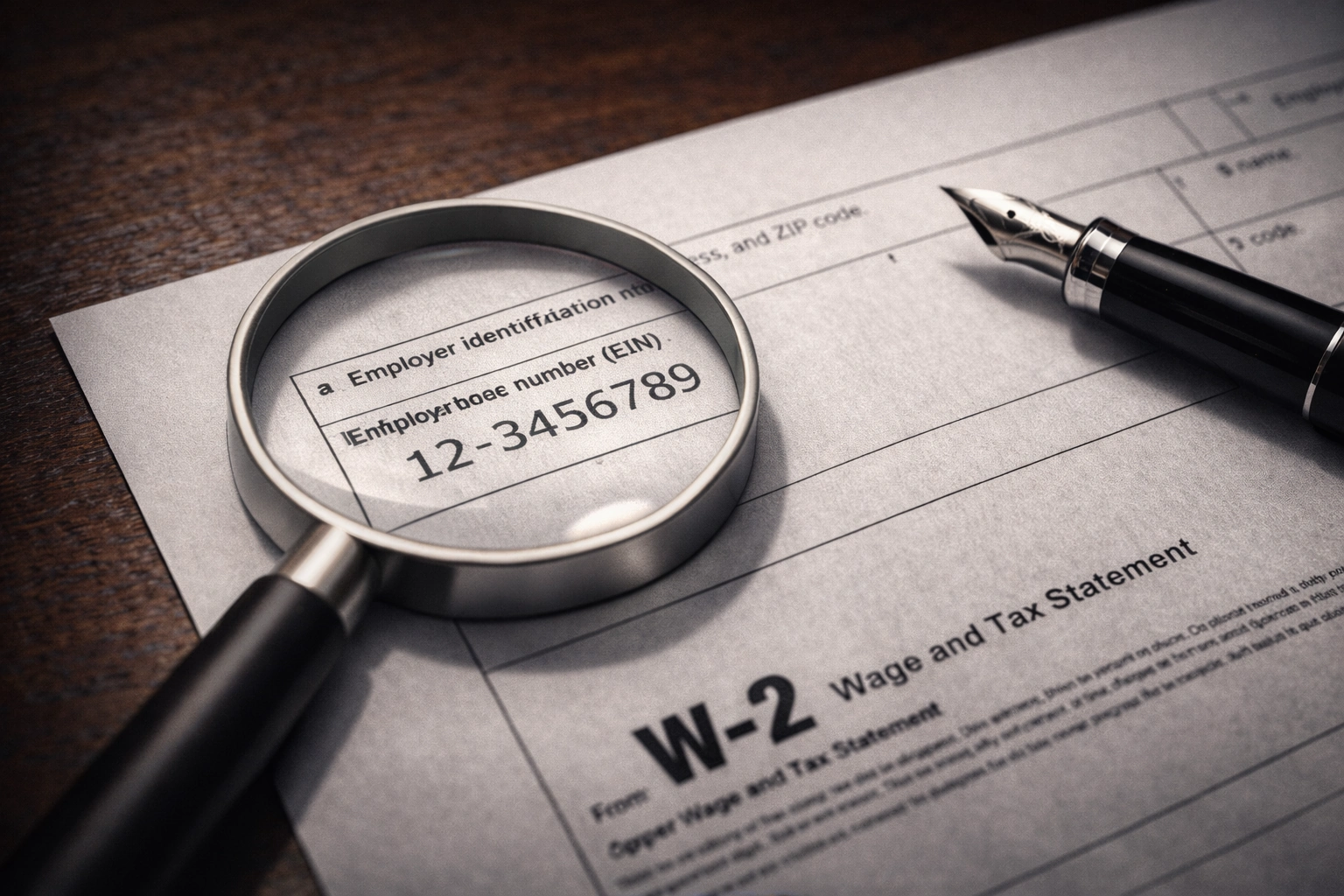
- The Employer Check Tool: Before you accept a job assuming it qualifies, use the Federal Student Aid Employer Search Tool. You need your employer’s Employer Identification Number (EIN), found on your W-2. If it is a registered 501(c)(3) or government entity, it qualifies. Corporate contractors working for the government do not qualify.
- The “Full-Time” Legal Standard: The statute defines full-time as whatever your employer considers full-time, OR a minimum of 30 hours per week, whichever is greater. If you work two part-time qualifying jobs that average 30 hours combined, you meet the standard.
- The PSLF Employment Certification Form: Do not wait 10 years to submit your paperwork. You should submit the PSLF form annually and whenever you change jobs. This forces the loan servicer to update your official tally of qualifying payments.
- The IDR Requirement: If you are on the Standard Repayment plan, you will pay off the loan in exactly 120 months. By definition, your balance will be $0 when you reach forgiveness eligibility. You must switch to an IDR plan (like SAVE) to lower your monthly payment and preserve a balance to be forgiven.
Actionable Execution Protocol
To secure this benefit, you must operate methodically. Follow this exact sequence to ensure your payments are legally recognized:
Your 3-Step Compliance Checklist
- Consolidate if Necessary: Log into StudentAid.gov. If you see FFEL or Perkins loans, consolidate them into a Direct Consolidation Loan immediately.
- Enroll in IDR: Apply for the SAVE or PAYE plan. This caps your payment based on your discretionary income, maximizing the amount the government will eventually forgive.
- Submit the PSLF Form Annually: Use the PSLF Help Tool to generate the form, have your HR department sign it, and submit it to the designated PSLF servicer (currently MOHELA). Download and save the confirmation receipt.
Frequently Asked Questions
Do my 120 payments have to be consecutive?
No. The statute requires 120 payments, not 10 continuous years. If you leave the public sector to work for a private corporation for three years, your payment count pauses. If you return to a non-profit later, the count resumes exactly where you left off.
Is the forgiven amount treated as taxable income?
At the federal level, PSLF forgiveness is 100% tax-free. You will not receive a 1099-C for canceled debt from the IRS. However, a small handful of states (such as Mississippi) may tax the forgiven amount at the state level. Always consult a local CPA.
What if my servicer miscounted my payments?
This is why you submit the PSLF Employment Certification form annually. If they miscount, you have the right to request a manual recount. Keep copies of your bank statements and W-2s for the entire 10-year period as your legal defense.
Conclusion: The Bureaucracy Rewards the Prepared
You are not asking for a favor; you are executing a contract. PSLF is a binding statutory agreement where your flawless compliance forces the government to erase your debt. Audit your loan types, verify your employer’s EIN, and switch to an Income-Driven Repayment plan today to start the clock on your financial freedom.
Next Step: Lower Your Monthly Bill
You cannot benefit from PSLF if your monthly payments are too high. In our next briefing, we break down the exact mathematics of IDR plans: IDR Plans Explained: Lower Your Monthly Payment Based on Income.