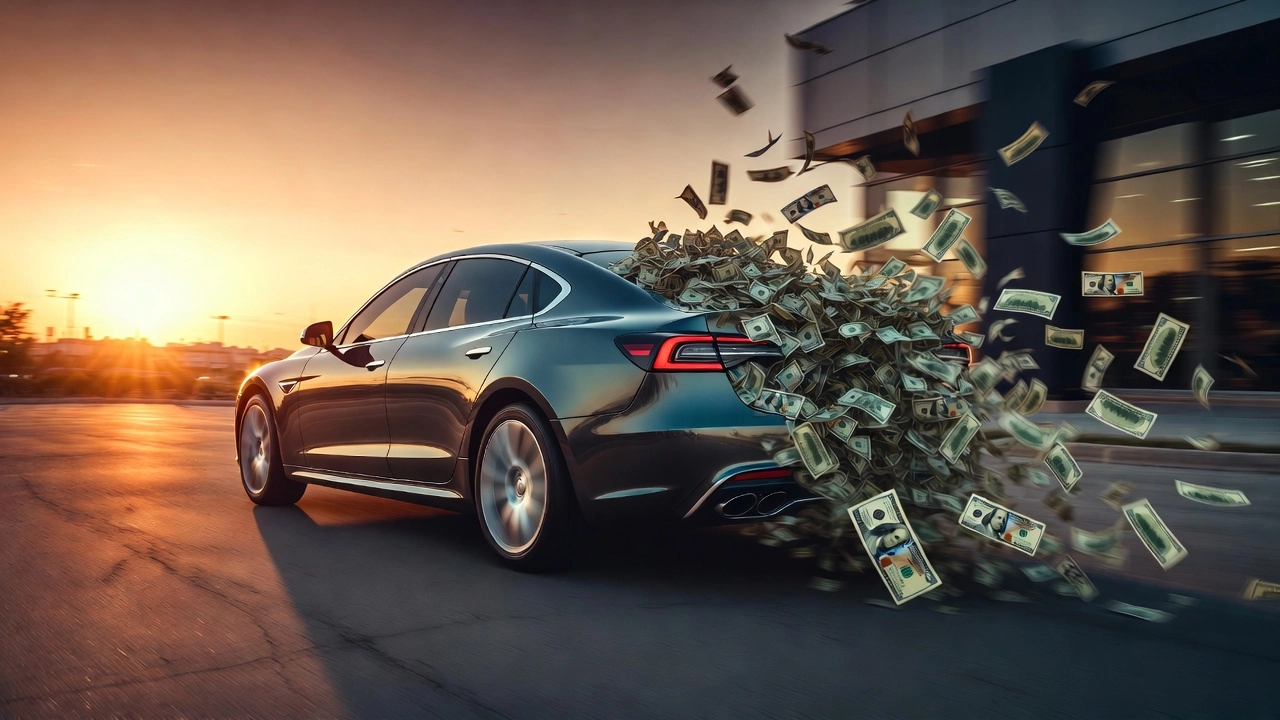
Executive Summary
Buying a slightly used car (3–4 years old) is mathematically superior to buying new. A new car loses approximately 20% of its value the moment it is driven off the lot and up to 60% within the first five years. By purchasing a vehicle that has already undergone this steep depreciation curve, you avoid the largest cost of ownership while retaining similar utility.
Depreciation is the silent wealth killer. It is a cost you don’t see on a monthly bill, but it destroys your net worth faster than interest rates. When you buy a brand-new car, you are voluntarily signing up to absorb the steepest loss in asset value. The smartest money move isn’t buying a “cheap” car; it’s buying a car where someone else has already paid for the ego premium.
This analysis connects directly with our previous breakdown of Leasing vs Buying, demonstrating why holding an asset is only effective if you buy it at the right price point.
The “Drive-Off” Effect: 20% Gone in a Minute
Car depreciation is the difference between what you paid for the car and what it is worth when you sell it. The curve is not linear; it is front-loaded. Data consistently shows that a new vehicle loses roughly 10-20% of its value within the first minute of ownership—the “drive-off” effect.
| Timeframe | Value Remaining (New Car) | Cumulative Loss |
|---|---|---|
| Day 1 (Drive-off) | 90% – 80% | -$4,000 to -$8,000 |
| Year 1 | 80% | -20% Total |
| Year 3 (The Sweet Spot) | 60% | -40% Total |
| Year 5 | 40% | -60% Total |
The Depreciation Curve Visualized
Let’s look at the math on a $50,000 vehicle. The buyer of the New Car pays $50,000. The buyer of the 3-Year-Old Used Car pays ~$30,000 for the exact same model, with 85% of the useful life remaining.
The chart above illustrates the “Depreciation Cliff.” The first owner (New) pays $20,000 to drive the car for years 1-3. The second owner (Used) pays only $10,000 to drive the car for years 4-6. The second owner gets the same transportation utility for half the depreciation cost.
The “Sweet Spot”: Certified Pre-Owned (CPO)
Many buyers fear used cars because of reliability issues. This is where Certified Pre-Owned (CPO) vehicles serve as the optimal hedge. CPO vehicles are typically off-lease returns (3 years old), inspected by the manufacturer, and come with an extended warranty.
Why Year 3 is the Magic Number
Most luxury car leases are 36 months. This floods the market with 3-year-old, low-mileage vehicles. At this point, the depreciation curve flattens significantly, meaning you lose less money per year of ownership compared to buying new or buying 1-year-old.
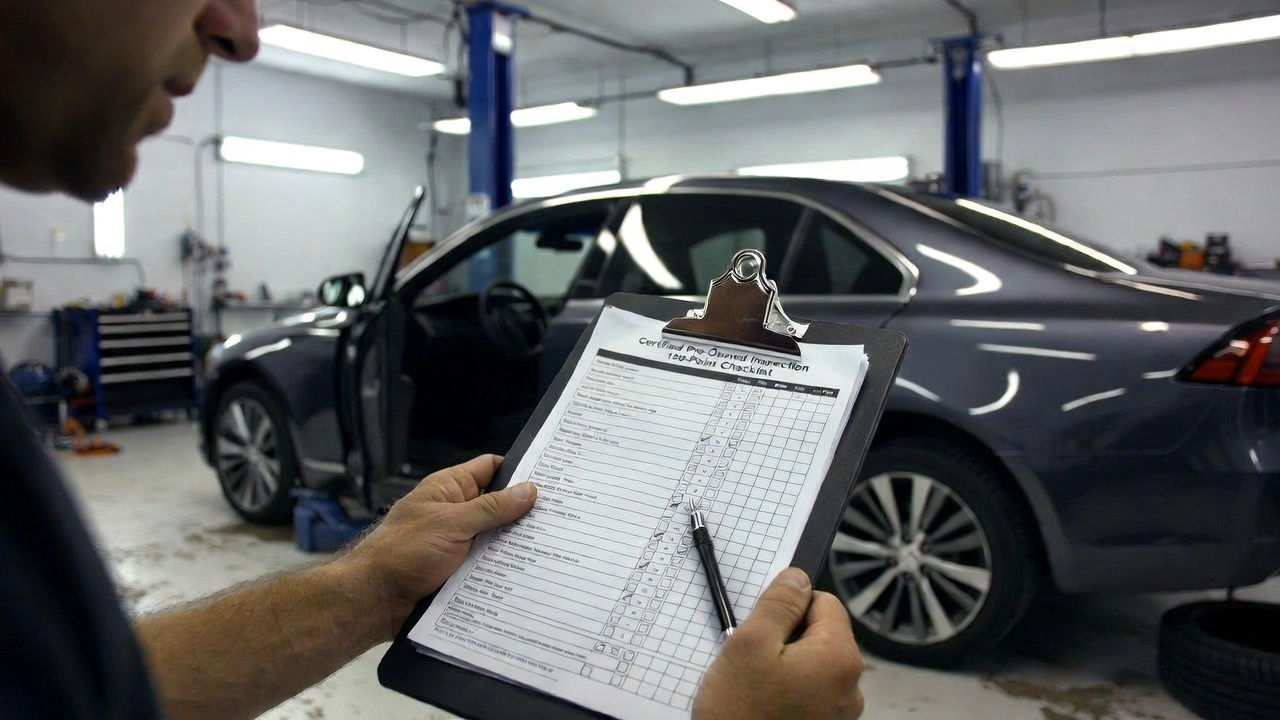
Total Cost of Ownership (TCO) Comparison
It’s not just about the purchase price. Insurance, registration, and taxes are all pegged to the vehicle’s value. A cheaper car means:
- Lower Sales Tax: 8% on $30k is $1,600 less than 8% on $50k.
- Lower Registration Fees: Many states charge annual “ad valorem” taxes based on car value.
- Lower Insurance Premiums: Replacement cost is lower, reducing collision premiums.
Before you commit to a monthly payment, ensure you use the 20/4/10 Rule for Car Affordability to check if your budget can handle the TCO.
Frequently Asked Questions
Does buying a new car ever make financial sense?
Buying new can make sense if you plan to keep the car for 10+ years (amortizing the depreciation over a decade), if manufacturers offer 0% financing incentives that outweigh the used car interest rates, or if you qualify for EV Tax Credits that apply only to new vehicles.
What is the best age to buy a used car?
The financial “sweet spot” is typically a vehicle that is 3 to 4 years old. By this age, the car has already taken its steepest depreciation hit (approx. 40-50%), yet typically still has modern safety features and remaining reliability.
Is Certified Pre-Owned (CPO) worth the extra cost?
Yes, for risk-averse buyers. CPO vehicles cost more than private party used cars ($1,000–$2,000 premium) but include manufacturer-backed warranties and rigorous inspections, bridging the gap between new car peace of mind and used car savings.
How do I calculate car depreciation?
You can estimate depreciation by assuming a 20% loss in Year 1 and roughly 15% annual loss for years 2-5. Tools like Kelley Blue Book (KBB) or Edmunds provide “True Cost of Ownership” calculators that project specific model depreciation.
Do all cars depreciate at the same rate?
No. Luxury sedans typically depreciate faster than economy cars or trucks. Vehicles like the Toyota Tacoma or Jeep Wrangler serve as outliers, holding value exceptionally well, which sometimes makes buying them new a reasonable financial decision.
Conclusion: Let Someone Else Pay the Premium
The smell of a new car is the most expensive fragrance in the world. By purchasing a 3-year-old vehicle, you let the first owner pay for that smell while you enjoy the same ride for 60 cents on the dollar. Wealth is built by minimizing asset decay, not maximizing monthly payments.
Smart Spending Alert
Trading in your old car? Dealers often lowball trade-in values to reclaim profit on used car sales. Before you head to the lot, check our guide on Trade-In vs. Private Sale to ensure you don’t leave money on the table.